Chiropractic Care
Dry Needling
The Precision Reset
A Western medical intervention designed to bridge the gap between your nervous system and your muscles
Clinical Tool.
Nervous System Regulation.
Performance Results.
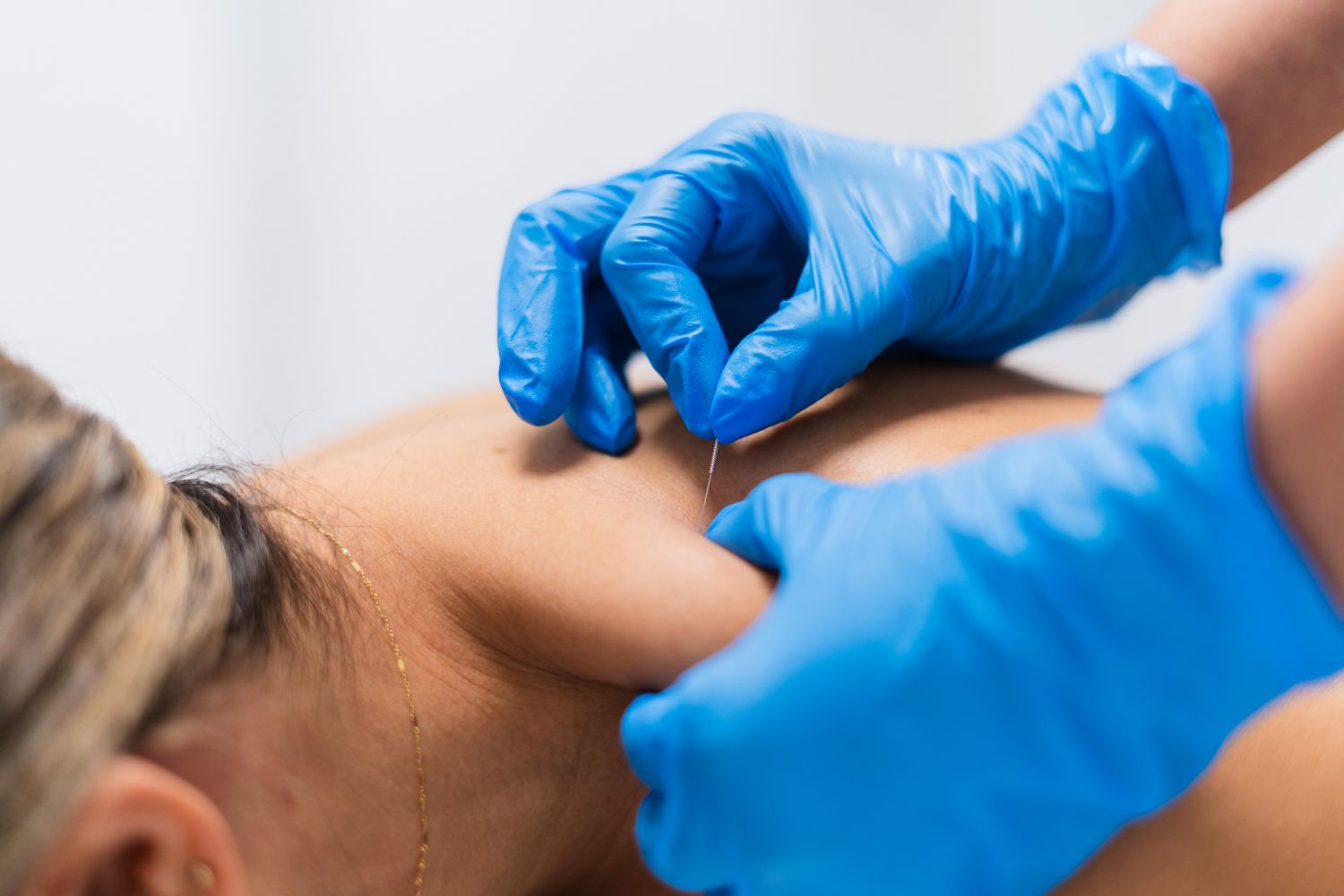
At Raptor Performance & Wellness, we combine the clinical safety of a Registered Nurse with the biomechanical expertise of a Chriropractic Sports Physician. We don’t just treat symptoms; we change how you move. Dry needling isn’t acupuncture. It is a Western medical intervention designed to bridge the gap between your nervous system and your muscles by using the same tool as acupuncture—ultra-thin, sterile needles. Dry needling targets specific muscles, tendons, and nerves which elicits a healing response, disrupts the pain signals, and restores movement dysfunction.
What It Does
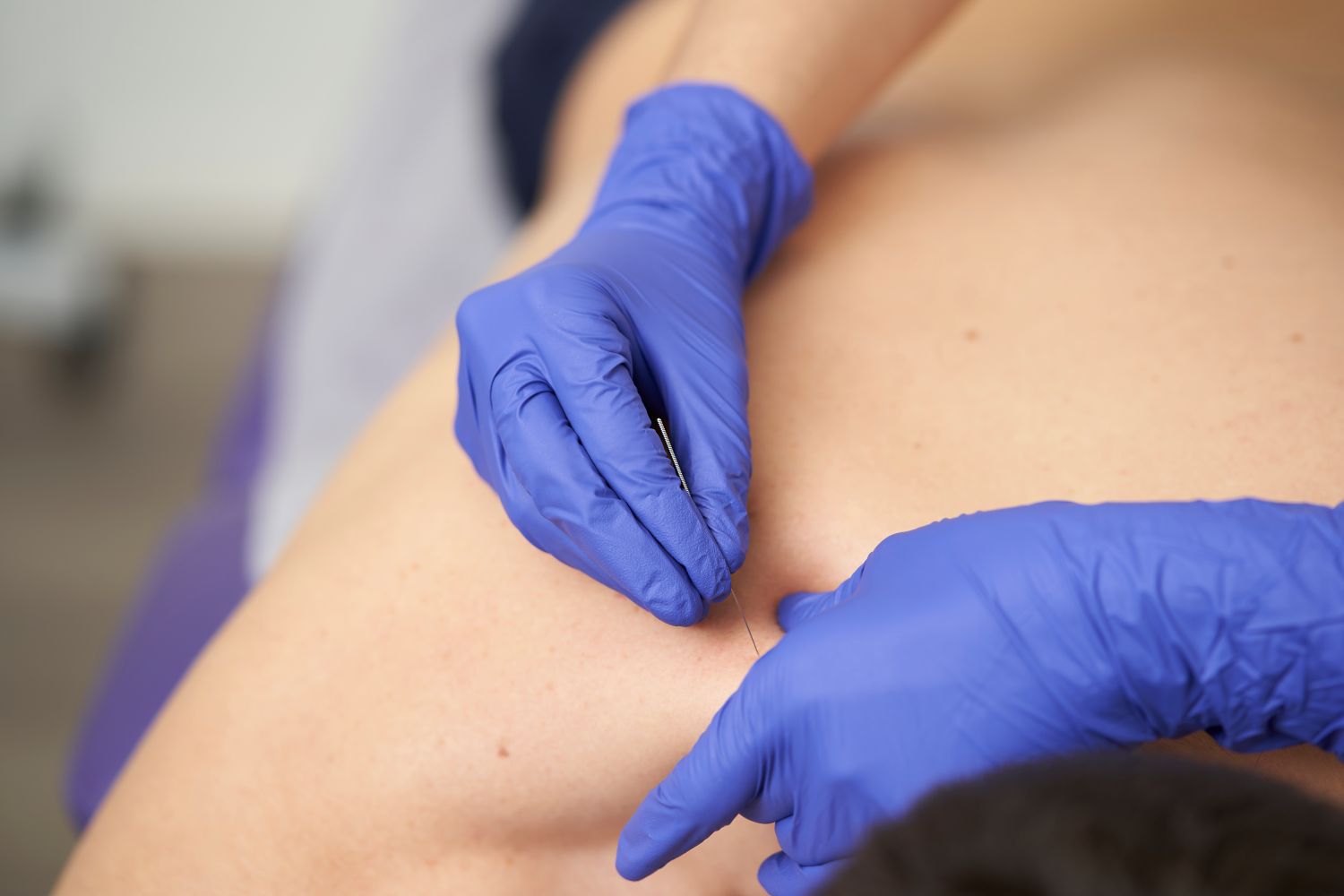
✅Increases Blood Flow: Stimulates a local inflammatory response to jumpstart the body's natural healing process
✅Reduces Pain: Triggers the release of endorphins and interrupts the "pain-spasm-pain" cycle in the nervous system.
✅Restores Movement: Releases mechanical tension that prevents joints from moving through their full range of motion.
✅Nervous System Regulation: Upregulates or downregulates nerve endings to alter mechanical function.
The Regulation Strategy: Down vs. Up
We don’t just “poke” where it hurts, first we analyze the body’s movement – activation versus restriction. The place of pain is not always the location needles are needed. We utilize needles and electrical stimulation to communicate with your nervous system based on your specific goals and movement dysfunction:
- Down-Regulate (Quiet the Noise)
- The Goal: Relax hyper-tonic, “locked” muscles.
- The Vibe: We target overactive tissues to desensitize pain and melt chronic tension.
- Best for: Tendonopathy, tension headaches, and chronic low back tightness, etc.
- Up-Regulate (Flip the Switch)
- The Goal: Wake up inhibited or “dampened” muscles.
- The Vibe: We use Electrical Stimulation (E-Stim) to force muscle activation and re-teach the brain how to fire the tissue.
- Best for: Glute amnesia, post-injury weakness, and athletic “priming,” etc.
A More In Depth Look
The Science of the Needle: More Than Just a Poke
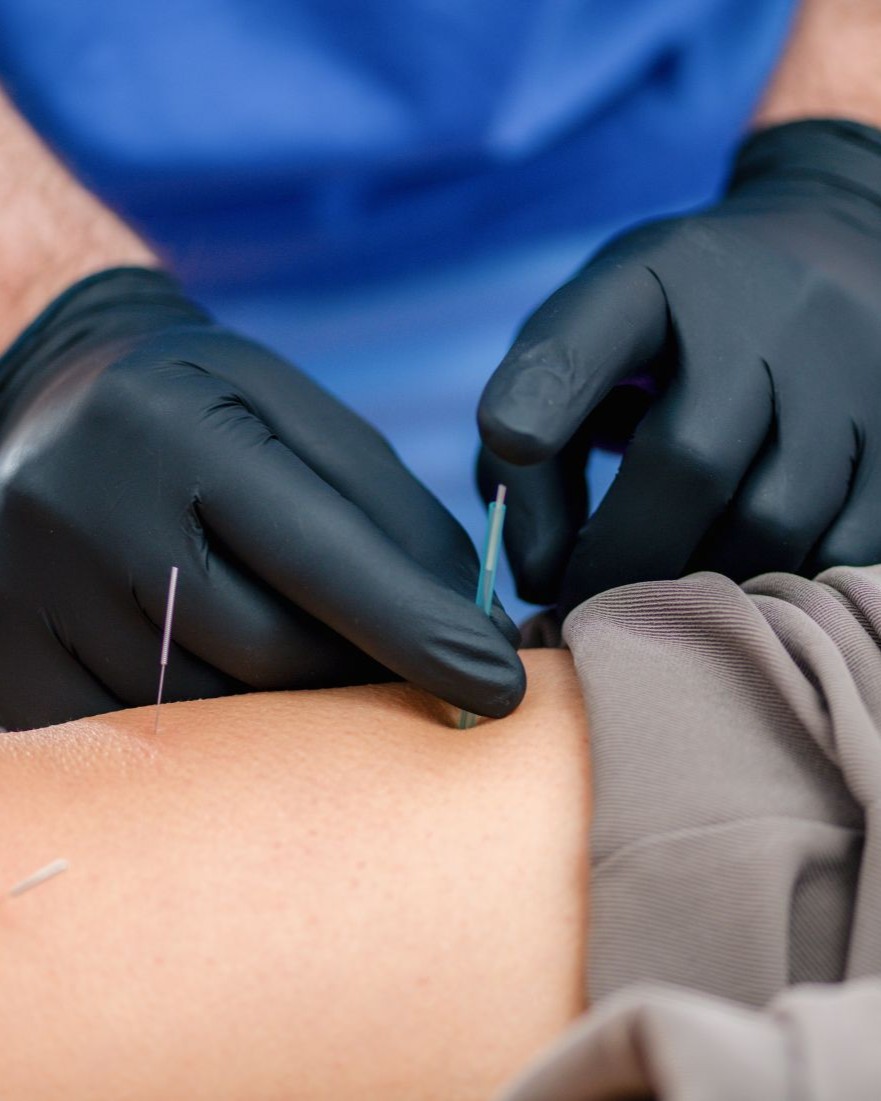
Dry needling is often misunderstood as just “muscle work.” In reality, it is a neurological intervention. By targeting specific tissues and stimulating free nerve endings, we are essentially communicating directly with your brain to change how your body feels and moves.
1. The Neurological “Gate Control” Effect
Your nerves have a “gate” that controls how much pain signal reaches your brain. Dry needling stimulates specific nerve fibers (A-delta and C-fibers) to “crowd the line,” effectively blocking pain signals.
The Result: We turn down the “noise” of chronic pain, providing an immediate window of relief.
2. The Chemical Reset (Local Analgesia)
When the needle reaches the targeted tissue, it triggers a local release of Adenosine and Endorphins—your body’s natural painkillers.
The Result: We physically alter the chemical environment around the muscle, moving it from a “pro-inflammatory” state to a “healing” state.
3. The “Healing Flare” (Axon Reflex)
Stimulating free nerve endings triggers a specialized response called the Axon Reflex. This causes immediate vasodilation—a rush of fresh, oxygenated blood to tissues that have been “locked” or stagnant for months.
The Result: We jumpstart the repair process in stubborn, chronic injuries that haven’t responded to traditional rest or ice.
4. Threat Level Management
In chronic pain, your brain becomes hyper-sensitive, viewing even normal movement as a threat. Dry needling provides a “strong but safe” stimulus that forces the brain to re-evaluate the area.
The Result: We reset the “threat level,” letting your nervous system know it is finally safe to move, load, and perform again.
Sources: